By Dr. Jervin Lim
Fatigue is not just a symptom. It is a warning light.
Before a major diagnosis—often years before—patients usually report a long history of unexplained tiredness. “I’m just getting old,” they say. But biologically, something much more critical is happening: Your power plants are shutting down.
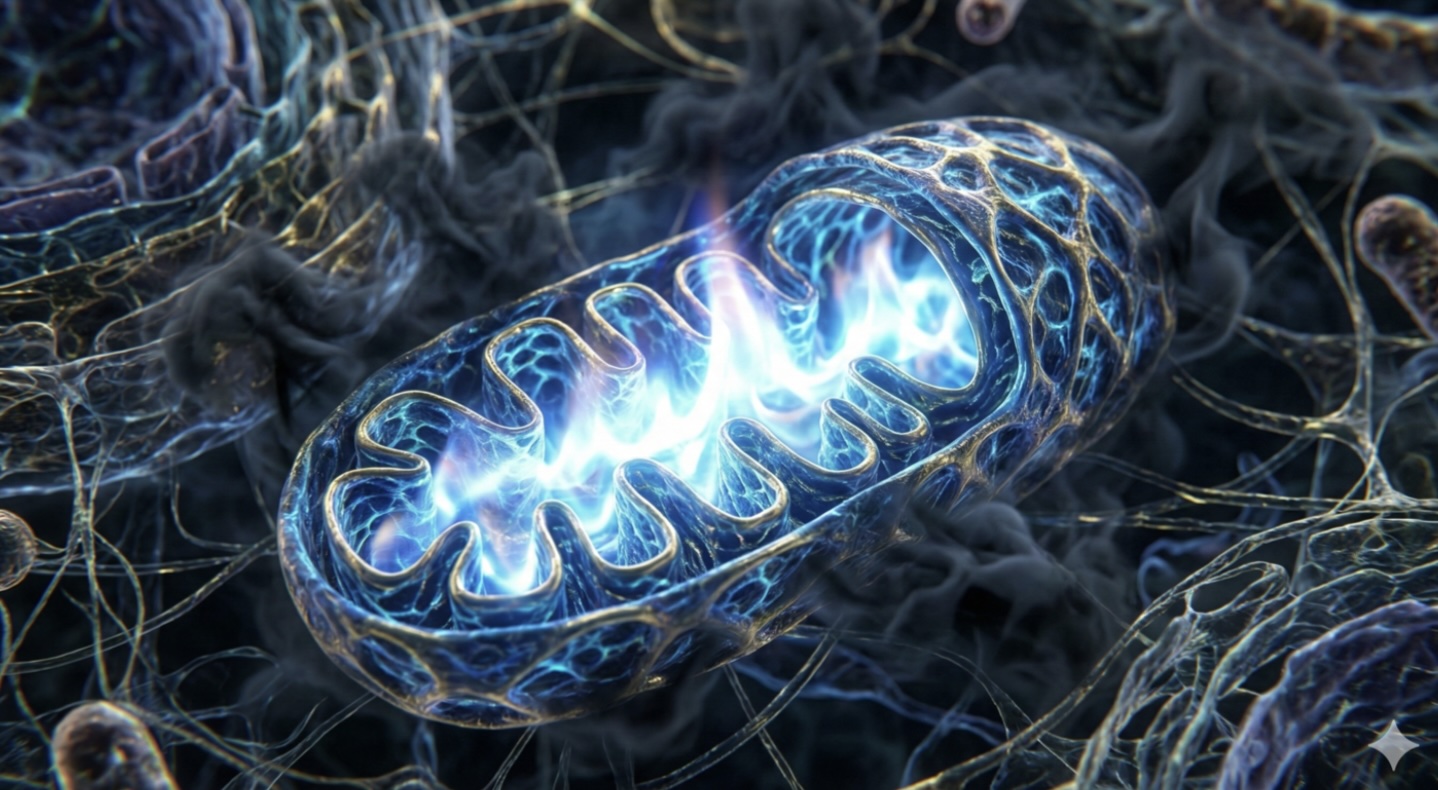
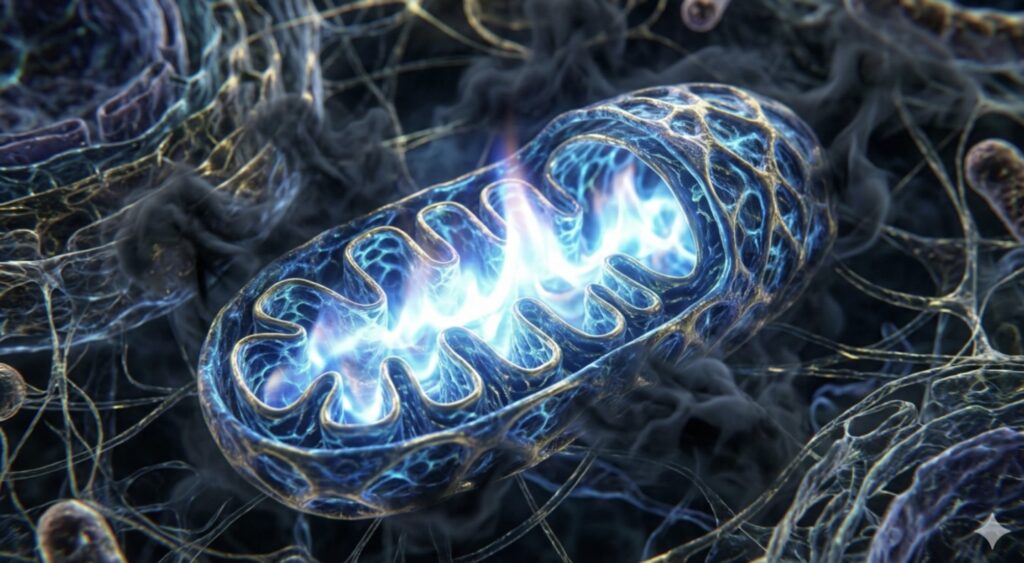
The Shift to Fermentation Inside nearly every cell in your body are mitochondria. These are the engines that turn your food into energy using oxygen. When they are healthy, you have stamina, clarity, and resilience.
But mitochondria are fragile. When they are overwhelmed by sugar, toxins, or inflammation, they break.
When the engine breaks, the cell has a choice: Die or Adapt. To survive without a working engine, the cell reverts to a primitive, emergency backup generator:
Fermentation. It stops using oxygen and starts burning sugar (glucose) inefficiently.
This state—chronic fermentation—is the hallmark of almost every metabolic disease, including cancer. The cell stops acting like a part of the team and starts acting like a survivalist. It grows uncontrollably because it has disconnected from the body’s energy grid.
Fix the Engine, Stop the Smoke Standard care tries to poison the fermenting cells. My approach is to restore the respiration.
We use specific metabolic nutrients—CoQ10, Niacin, and oxygenating therapies—to try to reboot the mitochondria in the struggling cells. We cut off the sugar (the fuel for fermentation) and force the body to burn clean fuel.
Clinical Insight: We can measure the efficiency of your “engines.” In my clinic, we track specific metabolic markers in the blood, including LDH (Lactate Dehydrogenase) and other enzymes. If these numbers are high, we know your body is fermenting. Our goal is to drive these numbers down, proving with data that your cells are breathing oxygen again.
We don’t just want you to survive. We want you to hum with energy. That is the sign of a healed metabolism.